PRD / 01
Seat Belt Assemblies
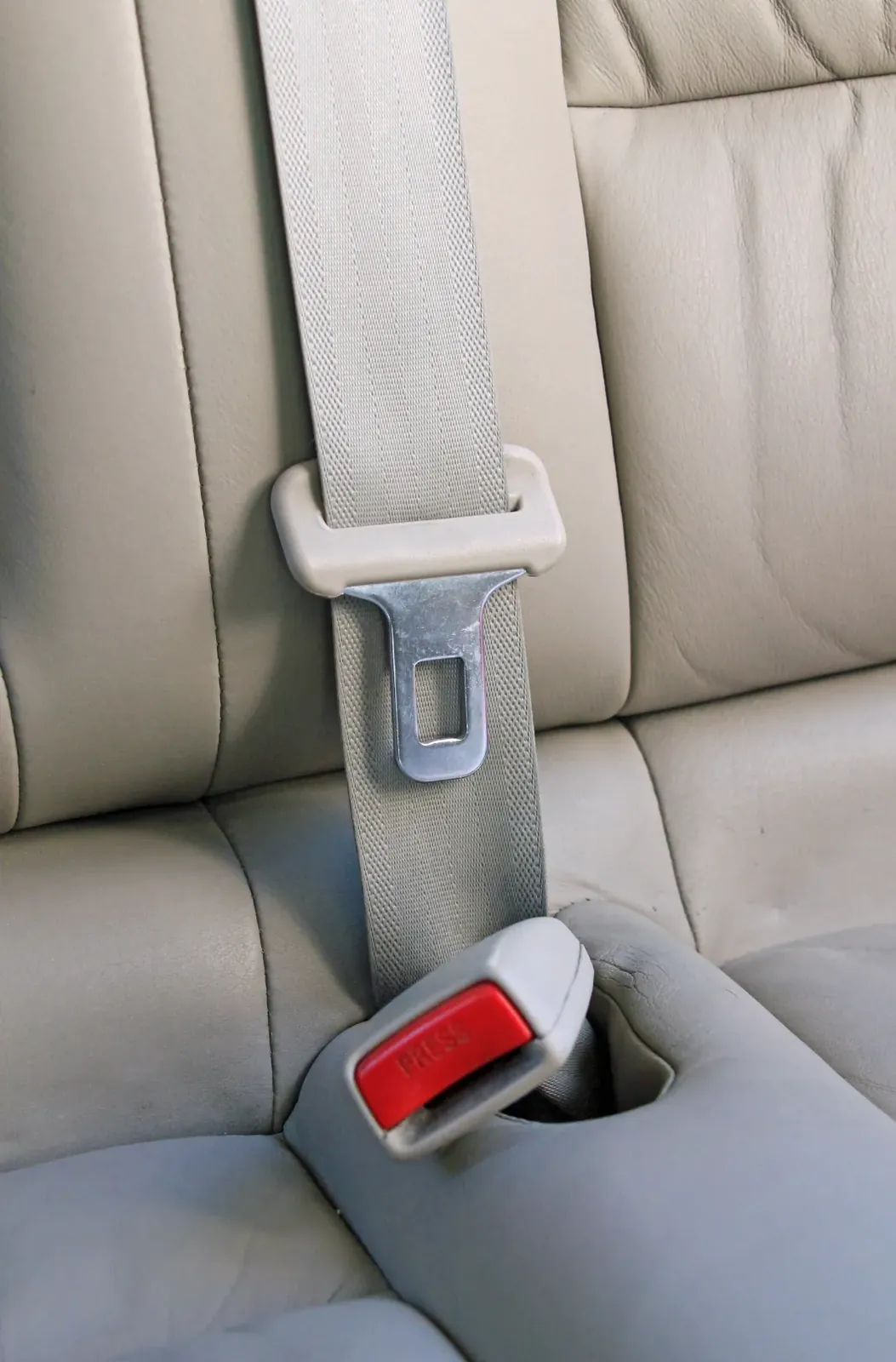
A complete belt supplied as a matched set — webbing, tongue, buckle, retractor and the mounting hardware that goes with them — selected together for a stated seating position and mounting arrangement.
// Automotive occupant restraint components & OEM supply
An industrial catalogue of categories rather than a shop. Each entry describes what the component does, the context it is used in and the details that determine which variant suits your application.
Restraint components are application-specific, so listing fixed specifications against a category would be misleading more often than helpful. What follows describes each category, what it does in the system, and the details that determine which variant is right for your application.
We do not publish dimensions, load figures, material grades, standards references or performance claims against these categories. Those properties belong to a specific component supplied for a specific application, and stating them generically would risk them being relied on where they do not apply. Send us the application and we will address specifications against it directly.
PRD / 01
A complete belt supplied as a matched set — webbing, tongue, buckle, retractor and the mounting hardware that goes with them — selected together for a stated seating position and mounting arrangement.
PRD / 02
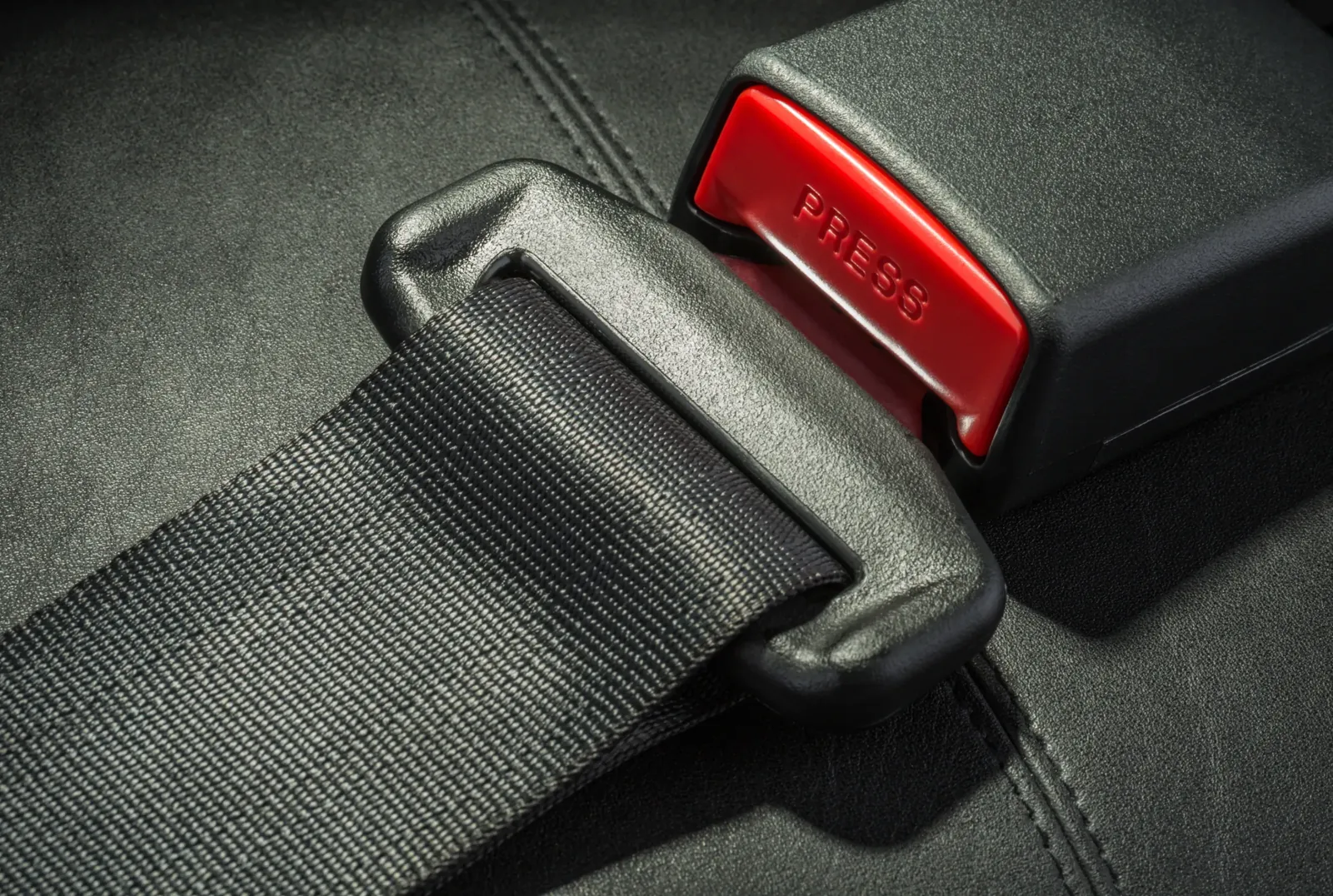
The latch interface of the system. The tongue travels on the webbing; the buckle is fixed to the vehicle or seat and retains it until released. The two are a matched pair, not two independent parts.
PRD / 03
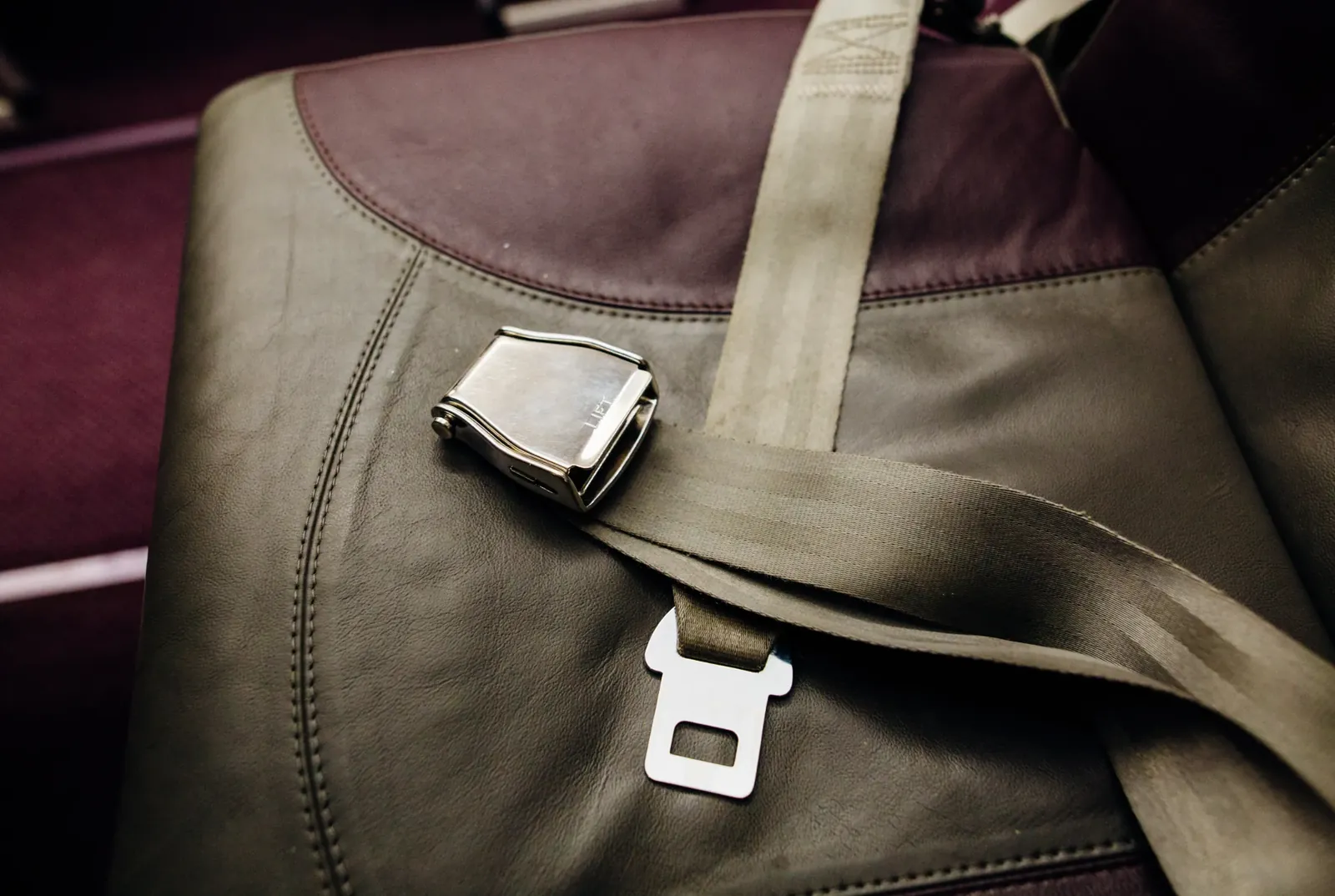
The woven strap that carries load across the occupant. Within an assembly it is not a generic item — its width and construction are what the tongue, the retractor and the routing are built around.
These categories are supplied against a stated application in the same way. Availability for any particular requirement depends on what the application calls for, so treat each as a starting point for an enquiry.
PRD / 04
Stores the webbing and controls how it is paid out and taken up. Selection is governed by the mounting arrangement, the belt path and the retractor type appropriate to that seating position.
Send with an enquiry: how the retractor is currently mounted, its orientation, and the space available around it.
PRD / 05
Transfers belt load into the vehicle structure at the anchorage points designed for it. Fixing specification, plate geometry and orientation are all set by the vehicle's anchorage design.
Send with an enquiry: photographs of the anchorage points and the fixings currently used at them.
PRD / 06
Guides, loops, height adjusters, covers and trim parts that shape belt routing and presentation. Usually specified alongside the pillar and trim arrangement rather than independently of it.
Send with an enquiry: the part being replaced and how it mounts to the pillar or seat structure.
There is no online ordering here by design. Restraint components should be matched to an application before they are bought, and that takes a short conversation rather than a checkout.
| Step 01 | Identify the category you need from those above — or tell us the symptom or requirement and let us identify it. |
|---|---|
| Step 02 | Gather what you have: vehicle details, seating position, existing part references, and photographs of the installation. |
| Step 03 | Send it through the enquiry form, by email or by telephone. Photographs are best sent by email. |
| Step 04 | We respond with what we can establish from the information provided and, where relevant, what still needs confirming. |
| Step 05 | Once the selection is agreed, quantities, timing and any documentation you require are settled before the order is confirmed. |
Tell us the vehicle and the seating position, and send photographs or part references of what is currently fitted.